
THE ZERO PROOF PROJECT
Licensed to Distill
The Zero Proof Category, Documented
An independent, sourced guide to drinking without alcohol: where it came from, the ideas shaping it, and the moment it is having now. Published by Licensed to Distill, and always growing.
The Timeline
A History of Drinking Without Alcohol
A selected, sourced history of the zero-proof category, from Persian sharbat to the modern shelf. Choose an era, or read the whole story. Independent, and growing.
Era One · Medieval to 1783
Long Before Zero Proof
Alcohol-free drinking has a history independent of modern spirits. Sharbat traditions show sophisticated flavor and hospitality developing on their own terms, while botanical distillation and commercial carbonation introduced techniques that still matter today.
Medieval onward
A Much Older Tradition of Drinking Without Alcohol
Long before the modern bottle labeled “zero proof,” Persian sharbat offered a different model of alcohol-free drinking: water sweetened and flavored with fruit, flowers, herbs or spices, served as refreshment and hospitality. Sharbat is not an early nonalcoholic spirit, and it should not be forced into that lineage. It belongs here because it reminds us that complex, adult alcohol-free drinks have deep histories of their own.
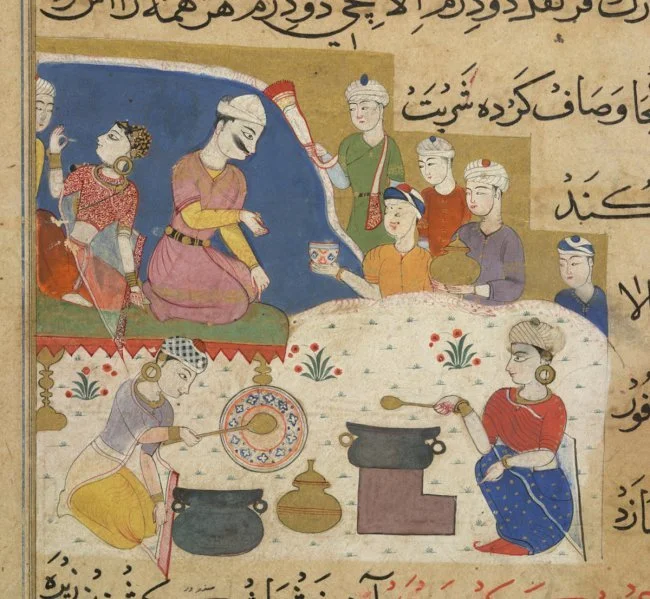
Persia and the wider Islamic world; manuscript produced in Mandu, India
Sources
1500
Distillation Enters Print as Medicine, Not Yet as Drink
In 1500 the Strasbourg surgeon Hieronymus Brunschwig published Liber de arte distillandi de simplicibus, widely regarded as the first printed book devoted to distillation. Despite its Latin title it was written in German, and its subject was what Brunschwig called “simple waters,” distillates drawn from single herbs, flowers and roots. It is tempting to file this apart from the story of spirits, but at the time the two were not separate. Distillation entered print as a medical art, and distilled waters both alcoholic and not, aqua vitae and simple water alike, were understood as remedies pulled from the same alchemical tradition of capturing a plant's hidden virtue. The notion that a distilled drink is a kind of cure has never been scientifically true, yet it has been remarkably durable, running from these medicinal waters to the “medicinal” whiskey of Prohibition to the restorative language around a cocktail today. The category's roots are shared, and they begin in the apothecary.

Strasbourg
Sources
- Wikipedia: Liber de arte distillandi de simplicibusreference
- Ambix: Distilling Reliable Remedies, Brunschwig's Liber de arte distillandi (1500)scholarship
- Folger Shakespeare Library: Alchemy, Aqua Vitae, and Mixologyinstitutional
Brunschwig's work sits in an alchemical and medical tradition in which distilled waters, alcoholic and not, were treated as remedies. Surfaced by Derek Brown (Positive Damage; AFicioNAdo Certification Program).
1651
Botanical Distillation Is Documented in English
English physician John French publishes The Art of Distillation, a major English-language guide to contemporary distillation. Among its medicinal and alchemical preparations are methods for distilling herbs, flowers and roots with water, an early documented Western example of capturing botanical aroma and character without an alcoholic base. These were remedies and aromatic waters, not zero-proof spirits as we understand them today; centuries later the same book would help inspire Seedlip's approach.
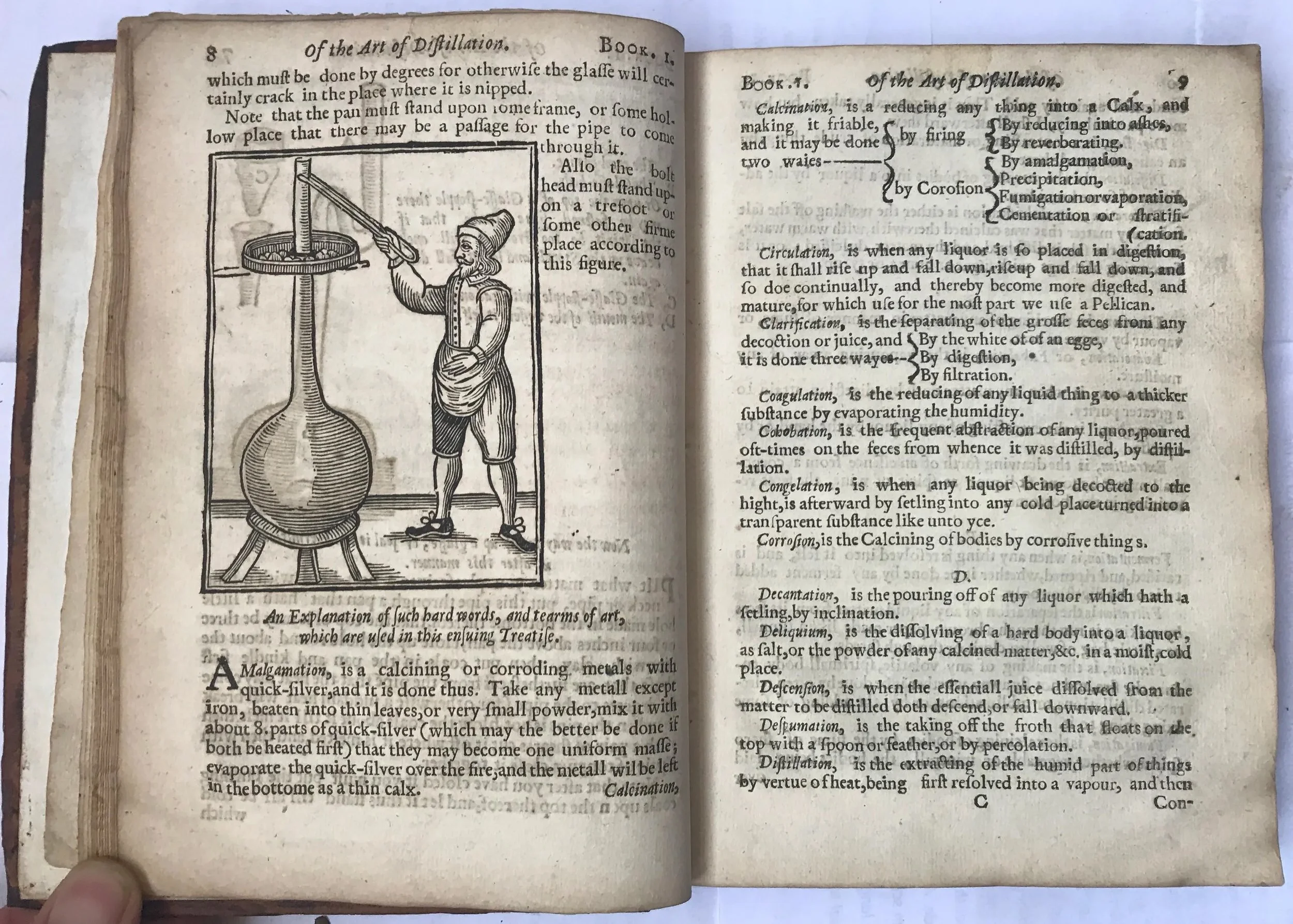
England
Sources
- Wellcome Collection: The Art of Distillationarchive
- Wikisource: The Art of Distillation, Book Iprimary text
- JHMAS: When the Tallamys Met John Frenchscholarship
1783
Bubbles Become a Business
In 1783, Jacob Schweppe began commercially producing carbonated mineral water in Geneva. The achievement mattered far beyond one company. Reliable carbonation helped create an entire world of soda water, tonic, lemonade and other sparkling drinks that could be served on their own or used to lengthen and transform mixed drinks. Much of today's zero-proof cocktail depends on that same basic proposition: water, flavor, texture and bubbles can create an experience larger than the ingredients alone.
Geneva, Switzerland
Sources
- Schweppes: Company Historycompany history
Era Two · 1862 to 1916
Temperance, Technology and Public Social Drinking
Bartending manuals, religious abstinence, preservation science, dealcoholization research and soda fountains created several distinct paths for drinking without alcohol, all before anyone spoke of a zero-proof category.
1862 and later editions
Temperance Drinks Enter the Bartender's Manual
Jerry Thomas's The Bar-Tender's Guide helped codify nineteenth-century American bartending. Later editions included a section devoted to “Temperance Drinks,” placing alcohol-free recipes inside professional bar literature rather than outside it. The recipes were products of their time, but the underlying idea feels current: guests who were not drinking alcohol still deserved something deliberately composed, properly presented and made by a bartender.
United States
Sources
- Wikisource: The Bar-Tender's Guideprimary text
Verify the exact edition if a scan is added later; the Temperance Drinks section did not necessarily appear unchanged in the 1862 first edition.
1869
Welch Finds a Way to Keep Wine From Fermenting
In 1869, physician and dentist Thomas Bramwell Welch used pasteurization to preserve grape juice for communion without allowing it to ferment. The experiment connected religious temperance, food preservation and commercial beverage production. When his son Charles revived the effort in 1875, it helped lay the foundation for the American grape-juice industry, and it introduced a recurring zero-proof challenge: how do you preserve the character and occasion of an alcoholic drink while removing, or preventing, the alcohol?
Vineland, New Jersey, United States
Sources
- Oxford Academic: Unfermented Winescholarship
1870s to 1906
The Apothecary Sells a Cure in a Glass
Nineteenth-century America ran on patent medicines: secret-formula tonics and cure-alls sold from apothecary counters, newspaper ads and traveling medicine shows, each promising to fix whatever ailed you. Most of it was quackery, and the snake-oil salesman entered the language as a byword for the fraud. But the same culture produced genuinely alcohol-free drinks that outlasted the claims. Coca-Cola began in 1886 as a patent medicine poured at an Atlanta soda fountain, pitched as a tonic for “exhaustion of brain and nerves,” and made without alcohol partly to satisfy a local temperance ban. The Pure Food and Drug Act of 1906 finally reined in the wildest promises. What endured is the idea this record keeps meeting: that a drink can be a remedy, never quite true, and never quite abandoned. The Pathfinder plays on exactly this lineage today, drawing openly on Old West apothecary and snake-oil imagery.
United States
Sources
- The Coca-Cola Company: The Birth of a Refreshing Ideacompany history
- Britannica: Pure Food and Drug Actreference
- Duke University Libraries: The Dark History of Patent Medicinearchive
Coca-Cola is the sourced example; other “tonics” of the era followed a similar path from medicine to soft drink. Verify any specific brand claims before adding them.
1890s to 1910s
The Soda Fountain Becomes an Alcohol-Free Social Space
By the turn of the twentieth century, soda fountains had become businesses, gathering places and laboratories for flavored drinks. Period advertisements offered “temperance drinks,” while trade guides documented the equipment, syrups, carbonation and service behind the counter. These venues were not bars without alcohol. They developed their own rituals and commercial logic, a reminder that successful zero-proof hospitality can create a distinct experience rather than simply remove liquor from an existing one.
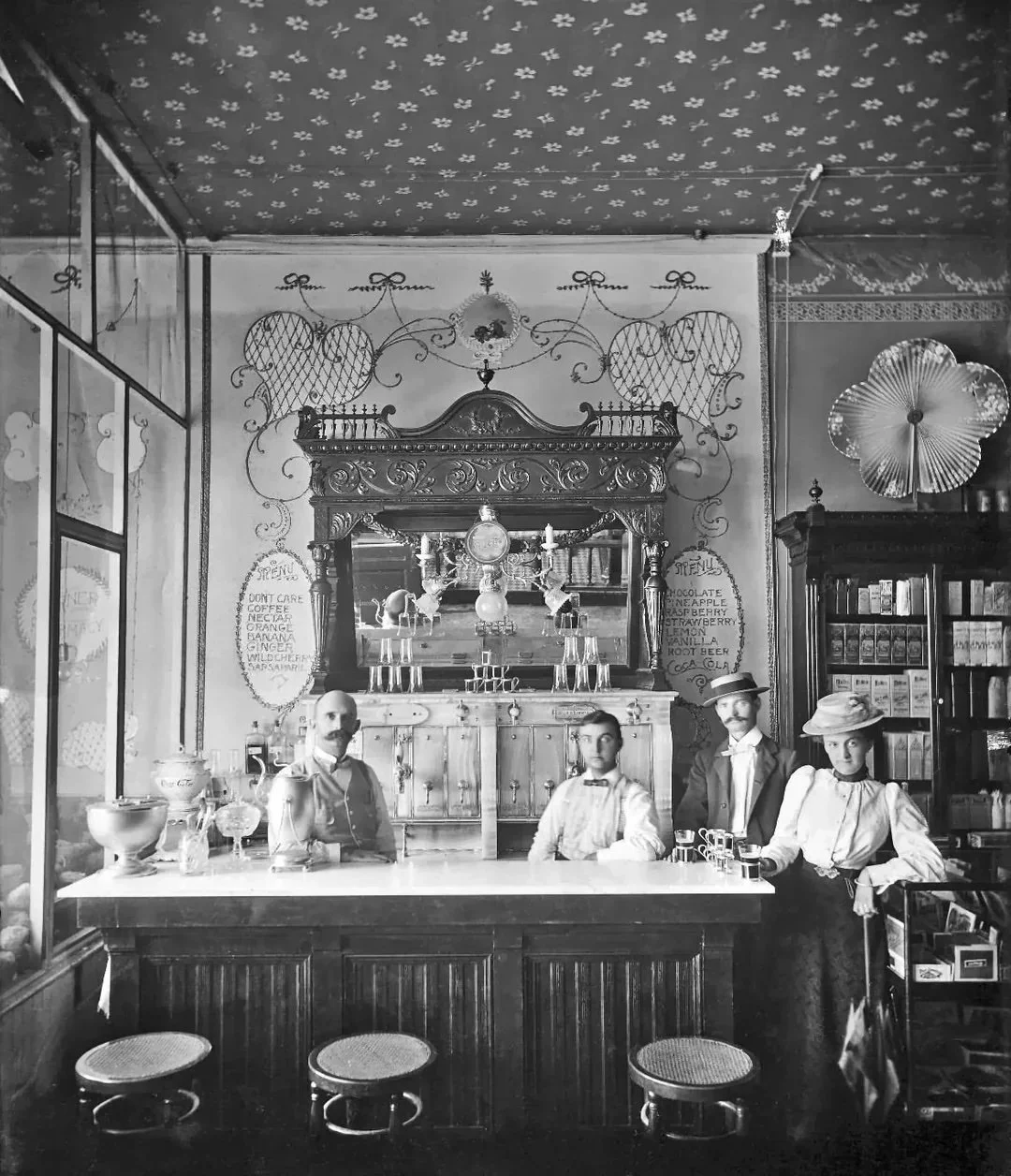
United States
Sources
1908 to 1913
Carl Jung Patents Vacuum Dealcoholization
German wine producer Carl Jung filed a U.S. patent in 1908 for treating beverages under reduced pressure; it was granted in 1913. Lowering the pressure allowed alcohol to be removed at a lower temperature, with the stated goal of preserving appearance, flavor and bouquet. The patent captures a problem producers are still solving today: alcohol carries aroma and texture, so removing it is technically easier than rebuilding the complete drinking experience it helped create.
Germany and the United States patent record
Sources
- U.S. Patent 1,071,238: Process of Treating Beveragesprimary patent
1916
Mocktail Appears in Print
The word “mocktail” feels contemporary, but Merriam-Webster dates its first known printed use to 1916. The term appeared intermittently for decades before becoming widely familiar. Its staying power is matched by continuing discomfort with it: some bartenders hear playfulness, while others hear imitation or something lesser. The language debate matters because names tell guests what kind of experience to expect, and whether the drink is being offered as a real choice or a consolation prize.
English-language print record
Sources
- Merriam-Webster: Mocktaildictionary
- Oxford Companion to Spirits and Cocktails: Mocktaildictionary
First known printed use, not first use.
Era Three · 1920 to 1979
Regulation, Scarcity and Global Alternatives
Government restrictions changed demand, but regulation was only one force. Hoppy in Japan, Crodino in Italy and Clausthaler in Germany show how local drinking cultures produced different answers to the same question: what should an adult drink offer when alcohol is reduced or absent?

1920 to 1933
Prohibition Expands the Market for Near Beer
National Prohibition did not invent alcohol-free drinks, but it dramatically changed who made them and why. American breweries produced “near beer” at no more than 0.5 percent alcohol while also turning to soda, malt products and other goods to survive. The period expanded commercial experimentation, but it also generated origin stories that are repeated too confidently today. Prohibition belongs here as an accelerant and a constraint, not as the beginning of the category.
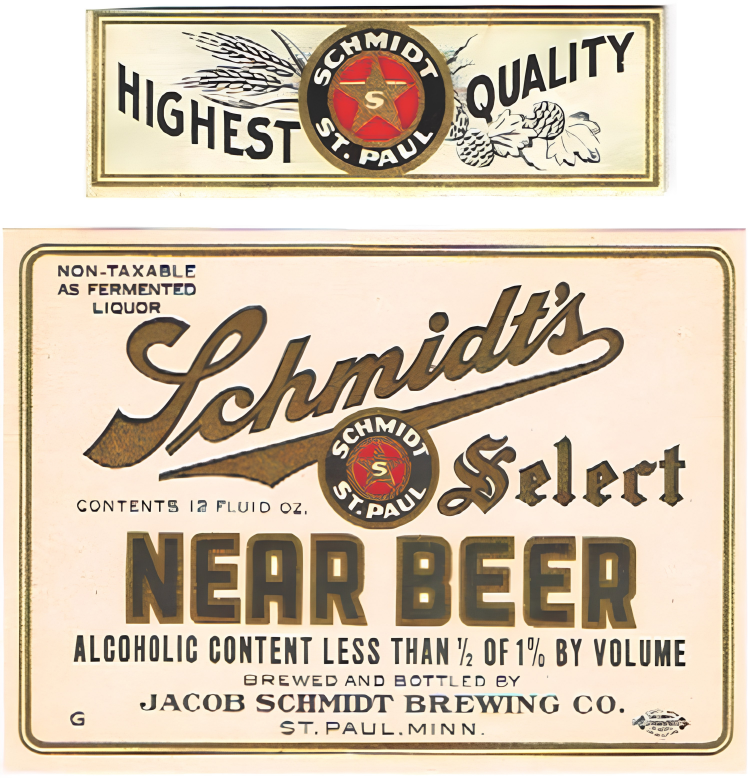
United States
Sources
1948
Hoppy Creates a Different Kind of Low-Alcohol Ritual
Hoppy launched in Japan in July 1948 as a beer-like malt beverage and became closely associated with izakaya drinking culture, often served alongside shochu. Its history complicates a simple sober-versus-drinking divide. Low- and no-alcohol products can function as independent drinks, substitutes, mixers or tools for controlling strength. Hoppy belongs here because it shows a distinctly Japanese practice developing outside the later Western language of “mindful drinking.”
Japan
Sources
- Hoppy Beverage Company: Historycompany history
- Government of Japan: Non-Beer Beverage Bounces Backgovernment
- J-Net21: Hoppy, Refusing to Make an Imitationreporting
1965
Crodino Gives the Alcohol-Free Aperitivo a Lasting Identity
Crodino was created in Italy in 1965, decades before today's wave of bottled nonalcoholic aperitifs. Its significance is not that it predicted the modern category. It shows that bitterness, color, ritual and a recognizable serving occasion could support a durable alcohol-free product without copying a bottle of gin or whiskey. The aperitivo model would later become one of the most convincing pathways for modern zero-proof drinks.
Italy
Sources
- Crodino: Our Storycompany history
1973 to 1979
Clausthaler Brews for Alcohol-Free From the Start
In 1973, the team behind Clausthaler began developing a controlled-fermentation method designed to limit alcohol formation rather than remove it after brewing. The product reached the market in 1979. That distinction matters: zero-proof products are not all made by taking alcohol away. Some are designed around a different process from the beginning, creating different possibilities and different compromises for flavor, aroma, body and shelf stability.
Germany
Sources
- Clausthaler: Historycompany history
Era Four · 1980 to 2009
Better Tools and Better Ingredients
Vacuum dealcoholization, controlled fermentation, spinning-cone columns, premium mixers and explicit 0.00 percent products each solved a different part of the experience. Together they explain why modern zero-proof drinks can be more deliberate than a sweet substitute poured into a cocktail glass.
1980s
The Spinning Cone Offers a Gentler Way to Remove Alcohol
Developed in Australia during the 1980s, spinning-cone technology uses thin films and vacuum conditions to separate volatile aromas and alcohol at relatively low temperatures. Producers can capture aroma, remove alcohol and recombine selected components. The method became important to nonalcoholic wine because it addressed the same challenge seen in earlier processes: preserving aroma while reducing alcohol. It also shows how advances outside the bar quietly shape what bartenders can eventually pour.
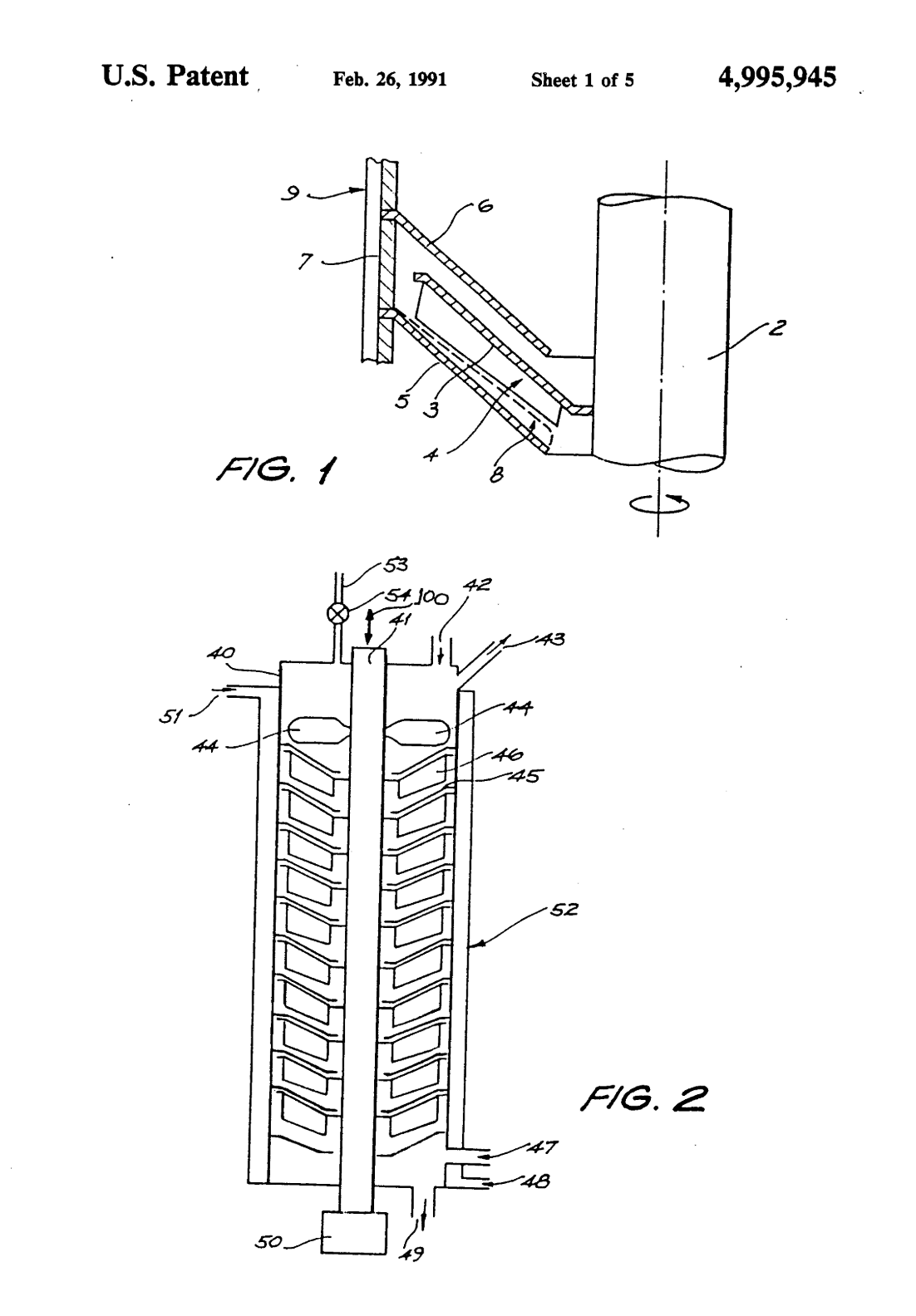
Australia
Sources
- Google Patents: U.S. Patent 4,995,945primary patent
- Flavourtech: Spinning Cone Columncompany history
- Smithsonian Magazine: The Science Behind Nonalcoholic Winereporting
2005 to 2007
The Mixer Stops Being an Afterthought
Fever-Tree launched its Premium Indian Tonic Water in 2005; Q Mixers followed in the United States in 2007. Both were built around a similar observation: drinkers were paying for better spirits while accepting indifferent mixers. Their rise helped reframe tonic, soda and ginger beer as flavor, texture and carbonation systems worthy of the same attention as the base. That shift now matters even more when the mixer may be most, or all, of the drink.
United Kingdom and United States
Sources
- Fever-Tree: Our Storycompany history
- Bar and Restaurant: Q&A with Q Mixers Founder Jordan Silbertreporting
2009
Kirin Free Makes 0.00% the Point
Kirin launched Kirin Free in Japan in April 2009 around a prominently stated 0.00% alcohol proposition. The product was linked to demand for an option that could fit driving and other situations where trace alcohol mattered. Its importance lies in the specificity of the promise: “nonalcoholic” and “0.00%” do not always mean the same thing, and consumers may choose products based on requirements that go well beyond taste.
Japan
Sources
- Kirin Holdings: Renewal of Kirin Freecompany history
Treat world-first language as a company claim unless independent evidence is added.
Era Five · 2013 to 2019
Moderation Becomes a Category
By the 2010s, consumer behavior, product design and bartender language began reinforcing one another. Dry January normalized a temporary break, Seedlip gave retailers a recognizable spirits-shaped product, and Julia Momose argued that the language on a menu signals whether a drink was taken seriously.
2013
Dry January Turns a Personal Break Into a Shared Event
Alcohol Change UK launched the first official Dry January campaign in 2013 with 4,000 participants. The idea gave people a recognizable period in which to reconsider when, why and how they drank, and it created a recurring discovery window for alcohol-free products. Dry January did not create moderation, but it made temporary abstinence visible, social and easier to explain, conditions that helped more consumers experiment without adopting a permanent identity.
United Kingdom, with later international adoption
Sources
- Alcohol Change UK: The Dry January Storyinstitutional
2015 to 2019
Seedlip Helps Create the Modern Zero-Proof Spirits Shelf
Seedlip launched at Selfridges in late 2015 with a bottle, price and vocabulary designed to sit beside premium spirits. Diageo took a minority stake in 2016 and acquired a majority shareholding in 2019. The sequence did not begin alcohol-free drinking, but it helped define a modern commercial category: distilled botanical products, spirits-style packaging, premium pricing and deliberate placement in bars, restaurants and spirits retail.
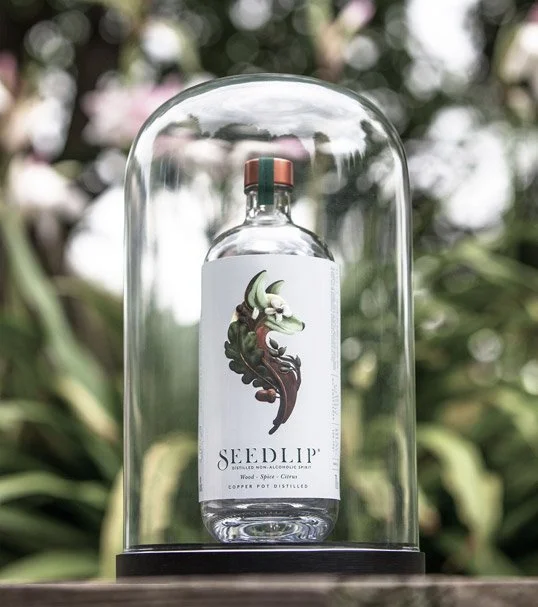
United Kingdom and global market
Sources
- Seedlip: Our Storycompany history
- Diageo: Acquisition of a Majority Shareholding in Seedlipcompany release
- The New Yorker: The Rise of Alcohol-Free Boozereporting
Keep sell-through numbers attributed to Seedlip. Do not present “world's first” as an independently established fact.
2016
A Writer Calls for Mocktails to Be Taken Seriously
In 2016, writer Julia Bainbridge published “Imagine a Future Where Mocktails Are Taken Seriously” for Food52, one of the earliest mainstream calls to treat alcohol-free drinks as a real part of the bar rather than an afterthought. She made the case in full four years later with Good Drinks, among the first alcohol-free cocktail books from a major publisher. The piece ran a year before Julia Momose's Spiritfree Manifesto, and the two Julias together mark the moment the argument moved out of the margins and into food and drink media.

United States
Sources
- Food52: Imagine a Future Where Mocktails Are Taken Seriouslyreporting
- Penguin Random House: Good Drinks (2020)publication record
Published May 23, 2016. Surfaced by Derek Brown.
2017
Spiritfree Asks the Bar to Take the Drink Seriously
In 2017, Chicago bartender Julia Momose published her Spiritfree Manifesto, arguing for language that did not define an alcohol-free drink as a mock version of something else. The intervention was about more than terminology. It asked bars to extend the same imagination, technique and hospitality to guests who were not drinking alcohol. The word did not replace “mocktail,” but the argument helped articulate a standard the best programs increasingly try to meet.
Chicago, United States
Sources
- Julia Momose: Spiritfree Manifestoprimary source
- The New Yorker: The Rise of Alcohol-Free Boozereporting
2018
Sober Curious Gives the Consumer a Name
In December 2018 the writer Ruby Warrington published Sober Curious, and the phrase gave a growing group of drinkers a way to describe themselves without swearing off alcohol entirely. Naming the behavior mattered commercially. It turned an occasional choice into an identity a person could claim, a market a brand could address, and a reason for a bar to build a real menu rather than an afterthought.
United States and United Kingdom
Sources
- Ruby Warrington: Sober Curiousauthor's site
- Sober Curious (HarperOne, 2018)publication record
2019
The Shelf Gets Competitive
A single breakout is not a category. By 2019 the modern nonalcoholic spirits shelf became genuinely competitive. Lyre's launched in Sydney with one of the widest ranges in the field, built by founders Mark Livings and Carl Hartmann around a simple frustration: wanting to say yes to a midweek drink without losing the next morning to it. Ritual Zero Proof launched in Chicago aimed squarely at classic spirits, and grew into the number one nonalcoholic spirits brand in the United States, credible enough that Diageo acquired it outright in 2024. The category stopped being one famous bottle and started being a market with rivals.
Australia and United States
Sources
- VinePair: 8 Things You Should Know About Lyre'sreporting
- Diageo: Acquisition of Ritual Zero Proofcompany release
Era Six · 2018 to 2025
Hospitality and the Market Reset
Alcohol-free bars and serious spirit-free menus made the category visible as hospitality, not packaged goods alone. Their mixed commercial results exposed a harder question: interest in drinking less does not automatically create a viable venue or product.
2018 to 2019
Alcohol-Free Hospitality Moves Into Public View
Listen Bar ran a five-day alcohol-free proof of concept in Brooklyn in October 2018. Getaway opened the following spring, while restaurants and bars invested in increasingly ambitious spirit-free menus and pairings. These experiments made alcohol-free hospitality visible as a destination and a premium experience. They also exposed a harder question that remains unresolved: strong cultural interest does not automatically create enough frequency, check average or repeat traffic to sustain a dedicated venue.
Brooklyn, New York, with wider hospitality context
Sources
- Listen Bar: Aboutcompany history
- Greenpointers: Getaway Opensreporting
- The Guardian: UK Alcohol-Free Bars Struggle to Survivereporting
2020 to 2022
The Category Stops Imitating Liquor
The next wave of brands stopped only copying spirits. Mélanie Masarin's Ghia arrived in 2020 and treated the aperitivo as a design-led brand in its own right rather than a stand-in for gin. In 2022, Katy Perry and master distiller Morgan McLachlan launched De Soi, leaning into adaptogens and the idea that an alcohol-free drink could do something, not just replace something. Original products, rather than nonalcoholic versions of existing ones, signaled a category maturing past imitation.
United States
Sources
2019 to 2023
Finding Zero-Proof Drinks Becomes a Problem Worth Solving
As the shelf grew, knowing what was on it, and where to find it, became a problem of its own. Two projects founded in 2019 came at it from different directions. The Zero Proof, started by friends Sean Goldsmith and Trevor Wolfe as a blog about the products they were seeing on the market, grew into a curated online retailer and wholesaler, and announced a $2 million seed round in December 2022. Zero Proof Nation, founded by Laura Silverman, began as what she calls a tiny beverage directory. In September 2023 it launched what it described as the first global map of entirely alcohol-free bars and bottle shops, with more than 250 listed at launch. They were not alone; apps such as Better Without and BuzzCutt were working on related problems. What the efforts share is a premise: in a new and fragmented category, curation and trust can matter as much as distribution, and a guest who is not drinking alcohol still needs a way to know where to go and what to try.

Atlanta and Washington, D.C., with a global scope
Sources
- PR.com: The Zero Proof Raises $2 Million in Seed Funding (Dec 20, 2022)company release
- The Zero Proof: Our Storycompany history
- Rough Draft Atlanta: The Zero Proof Is Ready for Dry January and Beyondreporting
- Zero Proof Nation: Aboutcompany history
- EIN Presswire: Zero Proof Nation Launches First Global Map of Entirely Alcohol-Free Venues (Sept 12, 2023)company release
- Inside the Cask: The 1st Global Map of Alcohol Free Venuesrepublished release
Founding years, the funding round and the map launch all come from the companies' own materials; the Inside the Cask piece republishes the Zero Proof Nation release rather than independently confirming it. “First” is Zero Proof Nation's description of its own map, not an independently established fact. Zero Proof Nation's founding year rests on its site copyright notice (2019 to present); the month is unconfirmed.
2024 to 2025
Alcohol Falls as No-Alcohol Keeps Growing
The wider drinks business entered a difficult reset. IWSR reports that U.S. beverage-alcohol volume fell 5% in 2025, with beer, wine and spirits all declining, while no-alcohol beer grew 15%. Gallup separately found that the share of U.S. adults saying they drink had fallen to 54%, including 50% of young adults. The figures move in the same direction, but they do not prove one simple cause. Health concerns, price, demographics and changing occasions all matter.
Fewer U.S. adults are drinking
Share who say they drink alcohol, a record low. 50% among adults 18 to 34.
Gallup · U.S. adults · 2023 to 2025
No-alcohol grows as alcohol shrinks
U.S. volume change in 2025, the same market moving two ways.
IWSR · U.S. volume · 2025
United States
Sources
Editorial
Essays and Explainers
Deeper reads on the ideas behind the timeline: how drink makers replace alcohol's role, how language shapes hospitality, and why moderation does not translate into one simple outcome. New pieces are added over time.
Zero Proof Week
See the category in motion during Zero Proof Week.
A seven-day, trade-led celebration of zero-proof: bartender-made cocktails, brand education, and stories created for trade and consumers. Brands can take part at several levels.
About this record
How this timeline was built, and why it stands on its own.
Method
This is an editorial record, researched and cited. Every milestone links to a primary or authoritative source, and where a company claims a “first,” we mark it as a claim rather than treat it as settled fact. We kept the language modest on purpose: attributed, checkable, and easy to argue with. The category is still being written, so this record grows as it does.
Independence
Licensed to Distill keeps this record independent. No brand pays for placement on the timeline. We work with brands during Zero Proof Week, but the history stays separate from the marketing, because a resource is only useful to bartenders and operators if they can trust it is not for sale.
Spot something wrong or missing? Send a correction or addition and we will look into it.